

SAFEGUARDING
The Stonehenge School fully recognises its responsibilities for Safeguarding and Child Protection. Our policies and procedures aim to ensure that all our pupils are safe and protected from harm and we work closely with all relevant outside agencies as safeguarding issues arise.
Safeguarding children is everyone’s responsibility and we encourage all adults, both within our school and beyond to report anything which may be of concern.
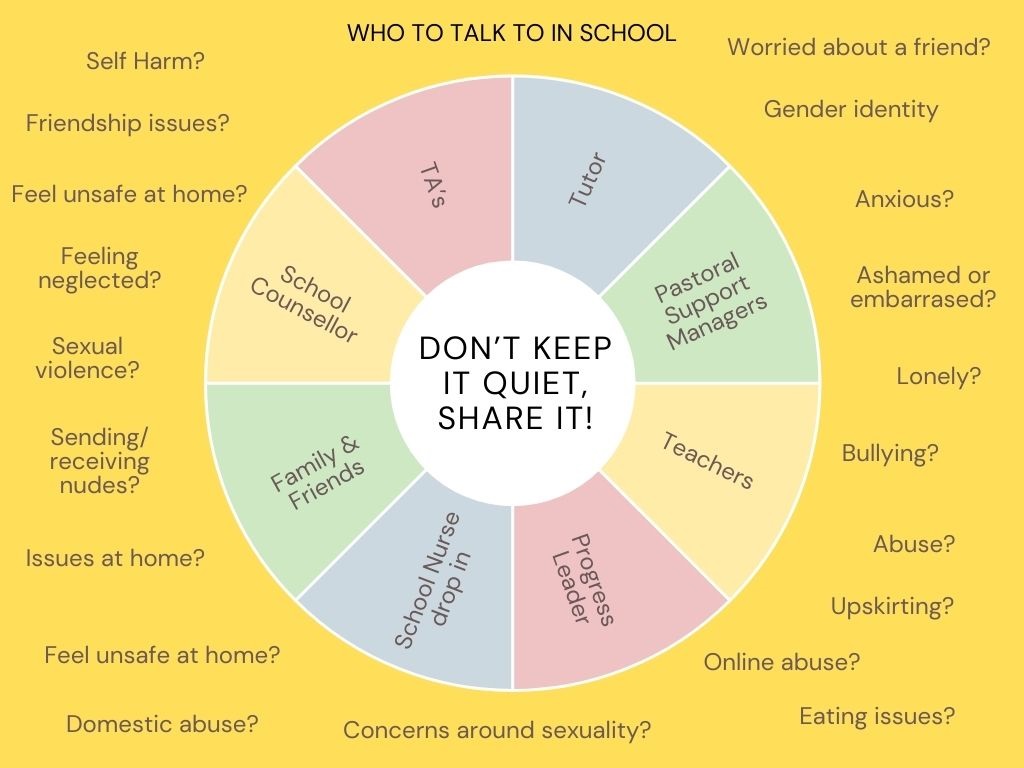
We firmly believe in a pro-active and strategic approach to safeguarding, helping our young people know how to keep themselves safe. However, our students should also know where to go and who to talk to if they feel unsafe. We promote this ethos through our Assembly programme, our PSHE curriculum, our pastoral structure and through wider examples across the whole curriculum.
WHO’S WHO?
KEY SAFEGUARDING PERSONEL
Our Safeguarding team are visible and approachable around school. All have blue identity badges to make them easily recognisable. Staff and students know who the team are and how to report a concern.
However, safeguarding is the responsibility of all staff and all staff are trained in how to manage a safeguarding concern. Information posted around the school is visible to everyone.
The wider safeguarding team meet regularly to ensure our safeguarding procedures are regularly reviewed, ensuring our systems are robust.
| Staff Name | Job Title | Email Address | |
|---|---|---|---|
| Mrs Carole Dean | Headteacher | safeguarding@stonehenge.wilts.sch.uk | 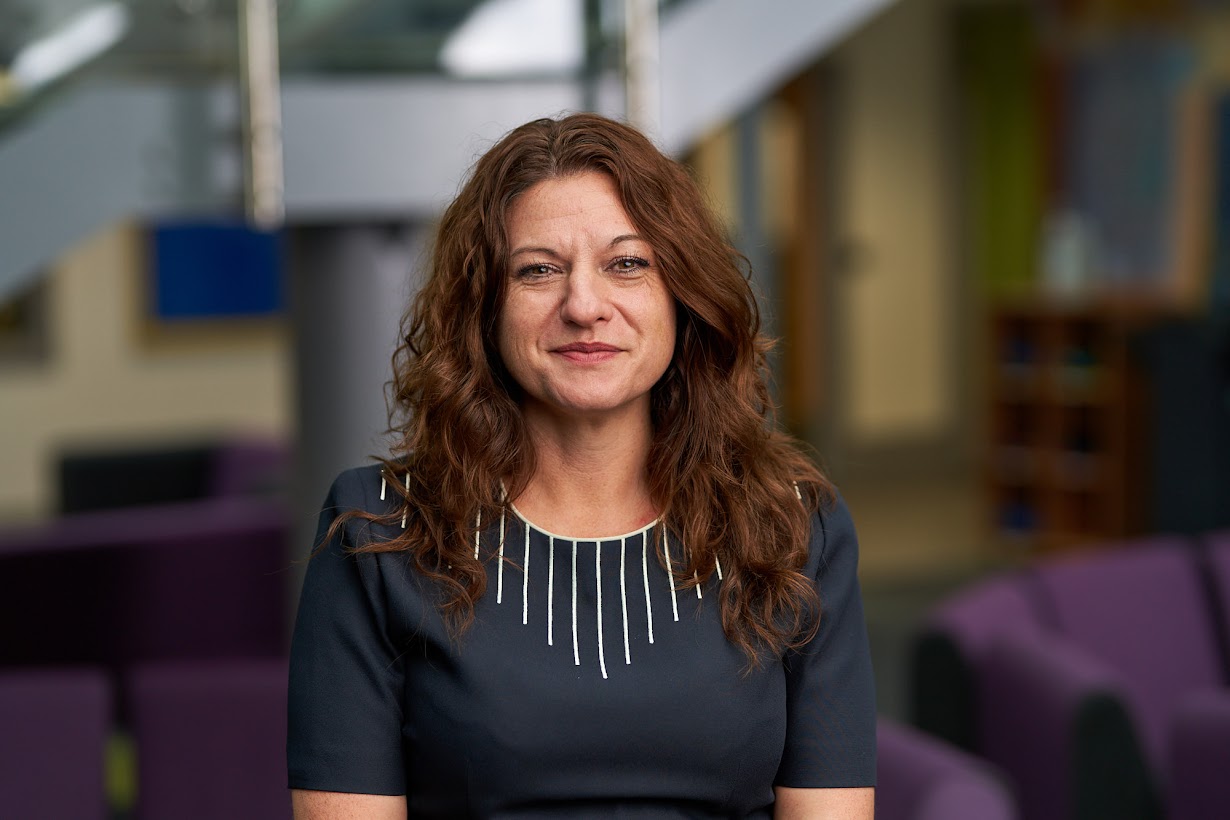 |
| Mrs Morven Fletcher | Assistant Headteacher, KS4 & DSL | safeguarding@stonehenge.wilts.sch.uk | 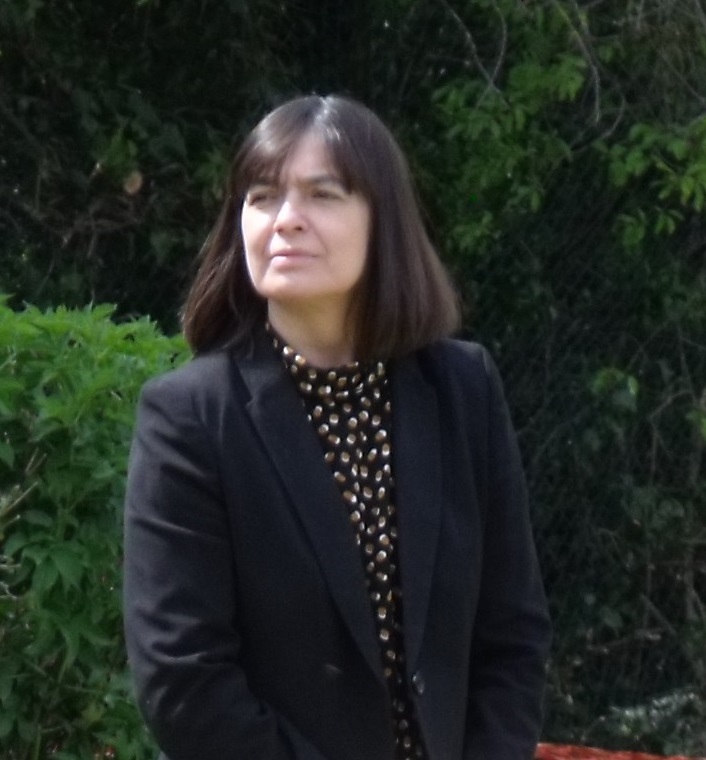 |
| Mr Adam Vickery | Progress Leader, DDSL, Teacher of MFL | safeguarding@stonehenge.wilts.sch.uk |  |
| Mr Nick Randall | Progress Leader, DDSL, Teacher of Science | safeguarding@stonehenge.wilts.sch.uk |  |
| Mrs Kerri Moran |  |
||
| Miss Sarah Hermosa |  |
||
| Mrs Tracy Roberts | Senior Mental Health Lead | robertst@stonehenge.wilts.sch.uk |  |
| Mrs Mary Turnock | SEND DDSL | 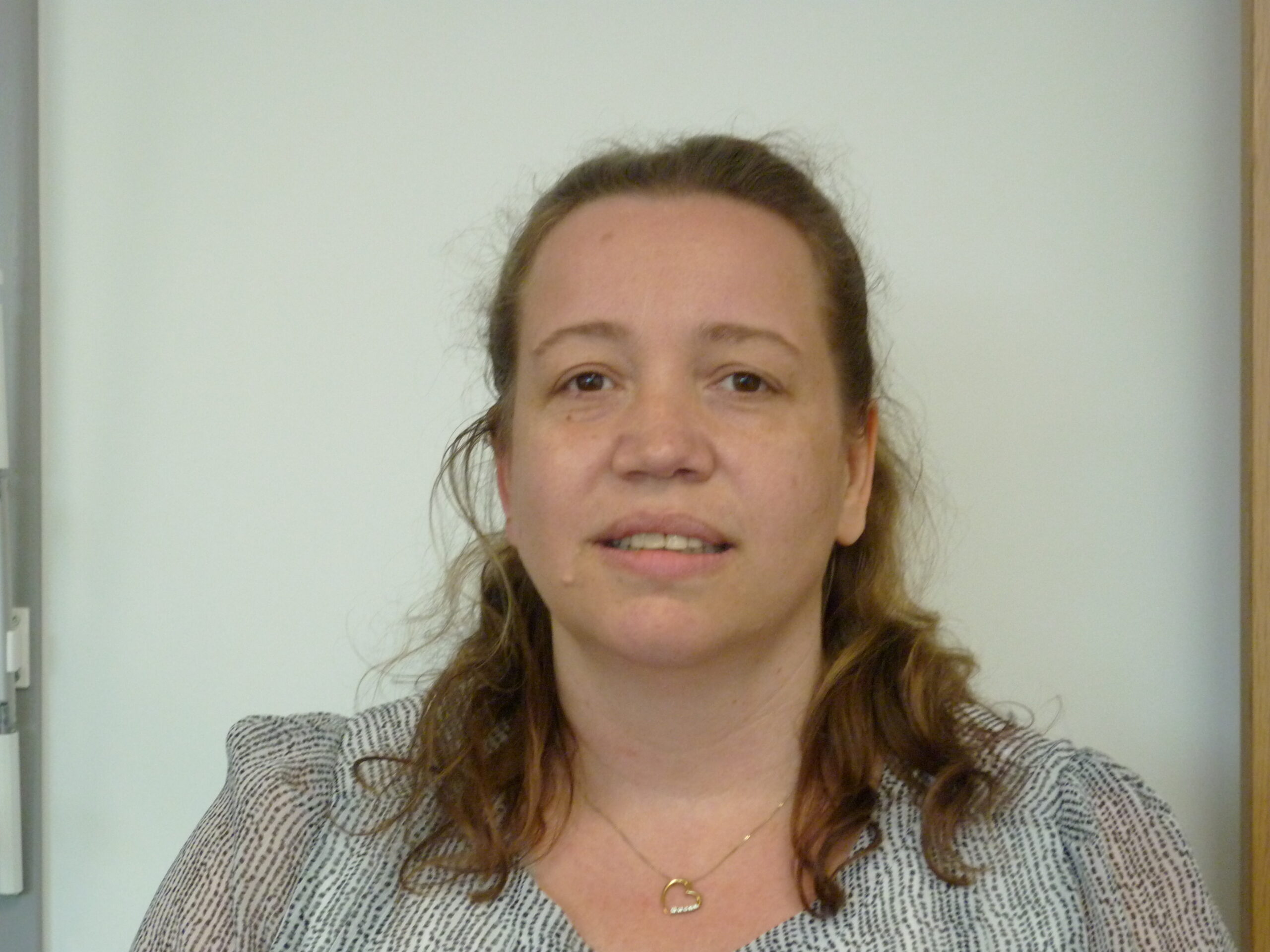 |
|
| Mrs Debra Harker | Headteacher's PA | admin@stonehenge.wilts.sch.uk |  |
| Mrs Fiona Staker | Deputy Headteacher | 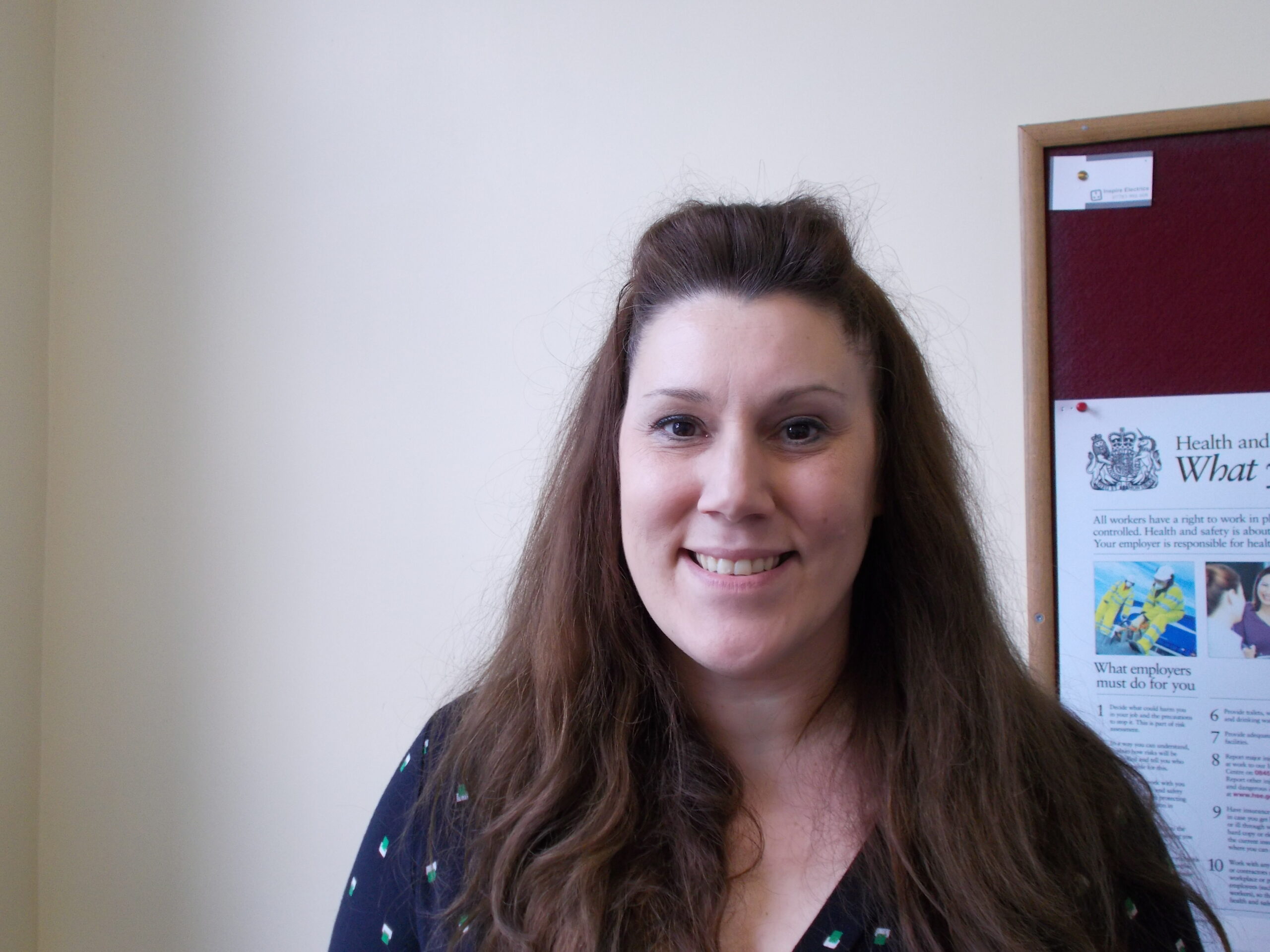 |
|
| Miss S Prendergast | Redworth Focus Centre, Manager |  |
Safeguarding Policies
Please follow these links to our Child Protection Policy, Whistleblowing Policy and Anti Bullying Policy;
Safeguarding and CP Policy 2026
HELPFUL LINKS
The NSPCC website is an excellent source of help and advice on all aspects of Child Protection – both for parents and professionals –
https://www.nspcc.org.uk/what-is-child-abuse/
https://www.nspcc.org.uk/keeping-children-safe/support-for-parents/
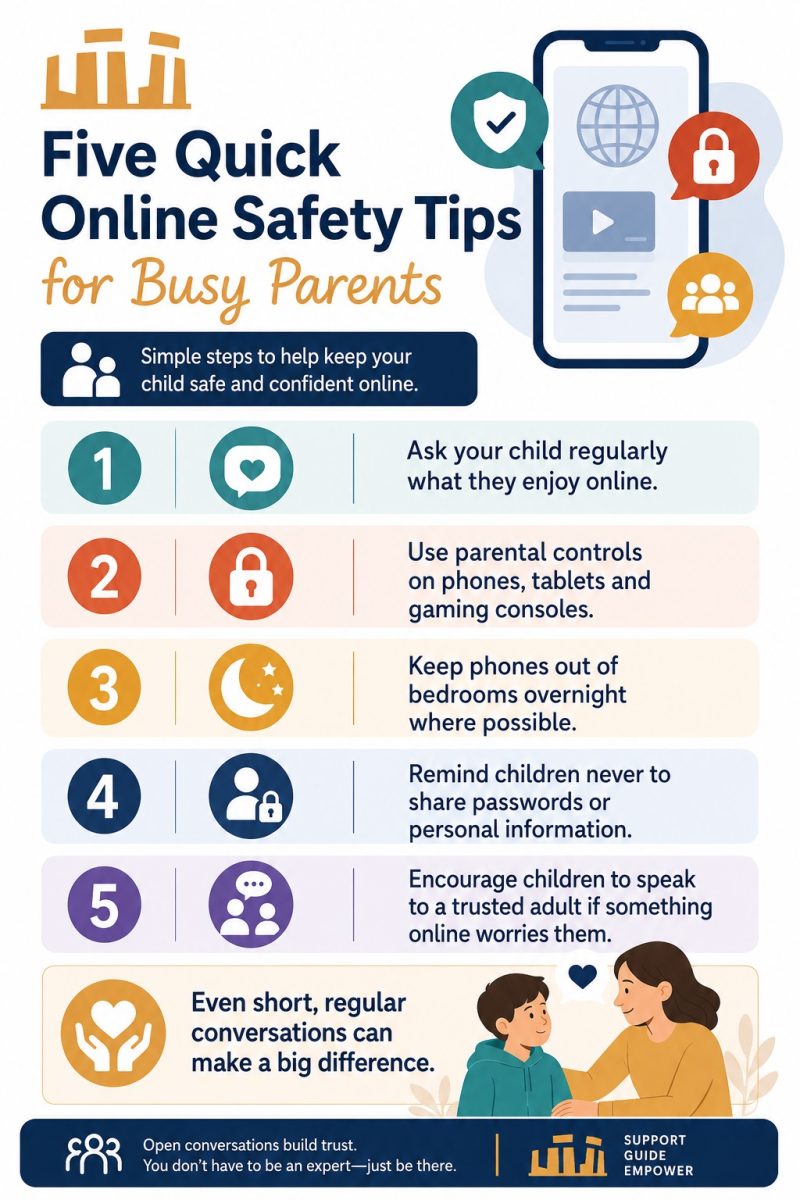
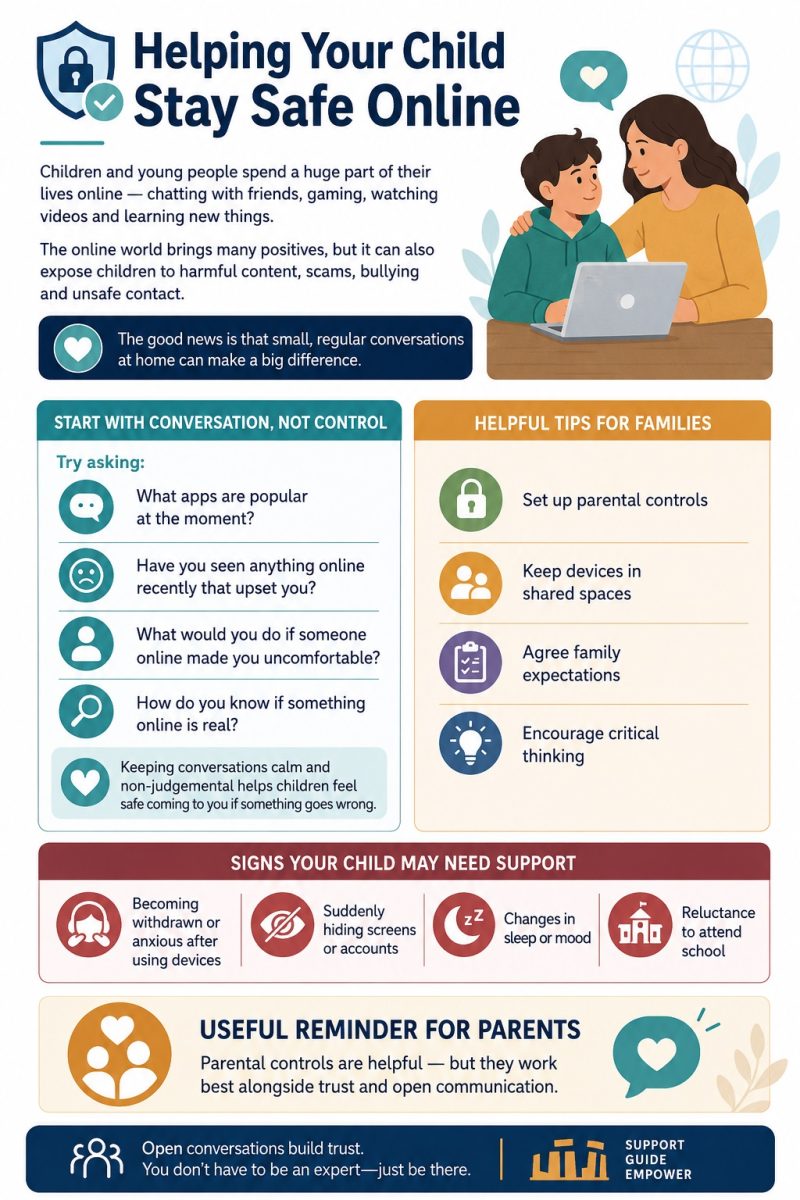
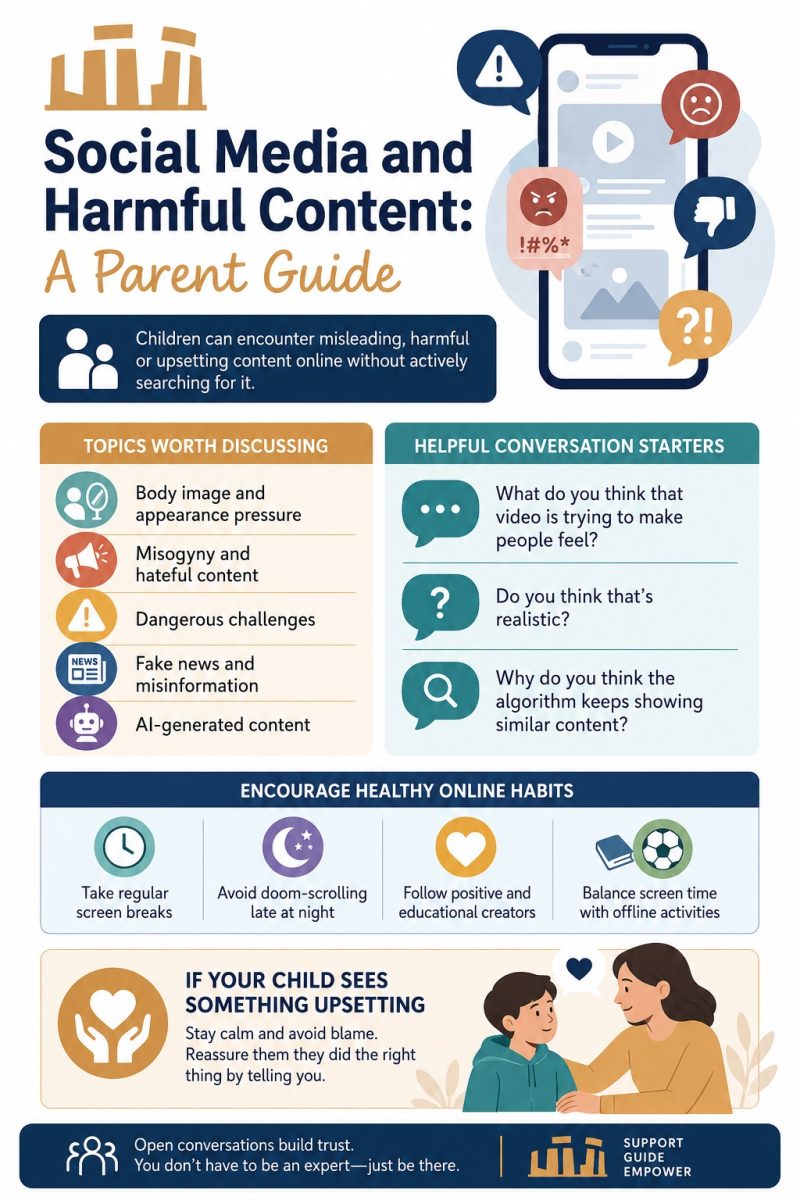
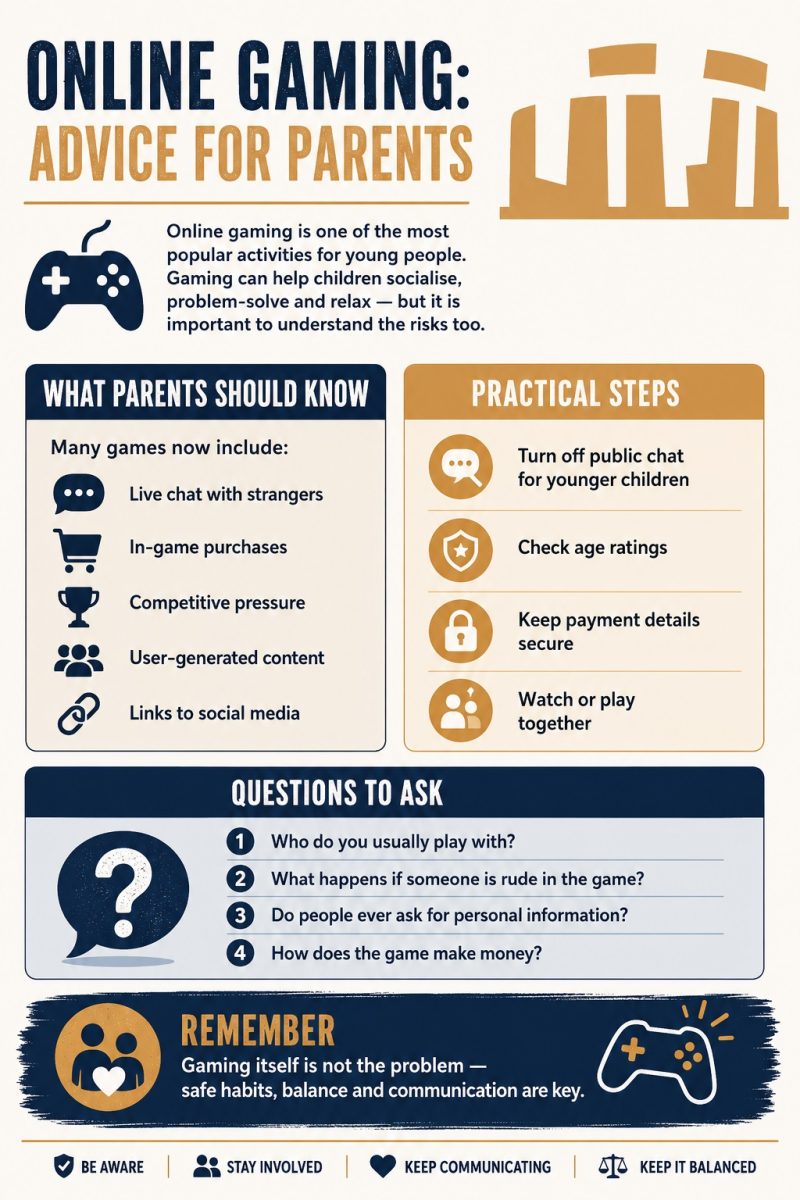
A new national guide to help families manage children’s online lives
Support guides to online sexual harassment –
talking_to_your_child_about_online_sexual_harassment_a-guide_for_parents
Child Exploitation and Online Protection (CEOP)
Government help on how to help your child safe online
HELPFUL RESOURCES
County-LinesAdvice-for-Parents-and-Carers
This May Help Website
This May Help has been created to support parents and carers with concerns about their child’s mental health.
The subjects covered on this website have been chosen by families and young people who have gone through their own mental health challenges.
This May Help Me – Advice for supporting your child’s mental health
First Light – Swindon & Wiltshire Sexual Assault Referral Centre (SARC)
STAFF TRAINING
All staff in The Stonehenge School receive annual safeguarding training. Alongside the statutory training, we regularly update staff in current concerns regarding safeguarding, including; training on INSET days; online training modules; safeguarding briefings, as well as discussions and scenarios throughout the year.
All our new staff complete an induction process which includes safeguarding training and training on The Stonehenge School protocols. New staff cannot start working with children until they have undergone extensive checks, induction and training.
Whole School training includes:
| The National College ‘Annual Safeguarding Training Module’ |
|---|
| The National College ‘Changes to KCSiE Training Module’ |
| All members of the Safeguarding Team are fully up to date with their training |
| All staff receive training in the use of CPOMS to report a concern and in how to manage a disclosure |
| The National College 'Annual Prevent Training Module' |
| The National College 'Annual Certificate in Data Protection & GDPR) |
REPORTING CONCERNS
Parents/Carers
If you have any concerns about any of our young people please do not hesitate to contact a member of our safeguarding team (see above).
You can also pass on your concerns to the Police or the Local Authority.
In the event of an emergency, phone the Police using the 999 number. If the risks to the young person are not immediate but they are significant, phone the Police using the 101 number.
If you are concerned about ANY of the following you can contact MASH at Wiltshire Council
- You think a child is suffering significant harm
- You want to protect a child from abuse or serious neglect
- You feel the child requires urgent or short-term care (acute services)
Students
Our students are regularly reminded in assemblies and Tutor times how to report a concern. We are continually evaluating this, and following student voice we are planning to introduce an anonymous reporting tool for our students.
The Stonehenge School Staff
The Stonehenge School uses the online reporting tool CPOMS for staff to report a safeguarding concern. This is monitored carefully to ensure all concerns are addressed promptly and appropriately. Staff are trained in how to use CPOMS.
What happens if someone has a concern about my child?
If anyone in school is worried about the welfare of your child, this will be discussed with you unless we think that this conversation could put your child at a greater risk of harm. The school must share all relevant information with Children’s Social Care if they are concerned about your child. The social worker may consult with other agencies before deciding what should happen next. They should also speak to you about the concern and keep you informed about what is happening.